![[community profile]](https://www.dreamwidth.org/img/silk/identity/community.png)
![[personal profile]](https://www.dreamwidth.org/img/silk/identity/user.png) al28894
al28894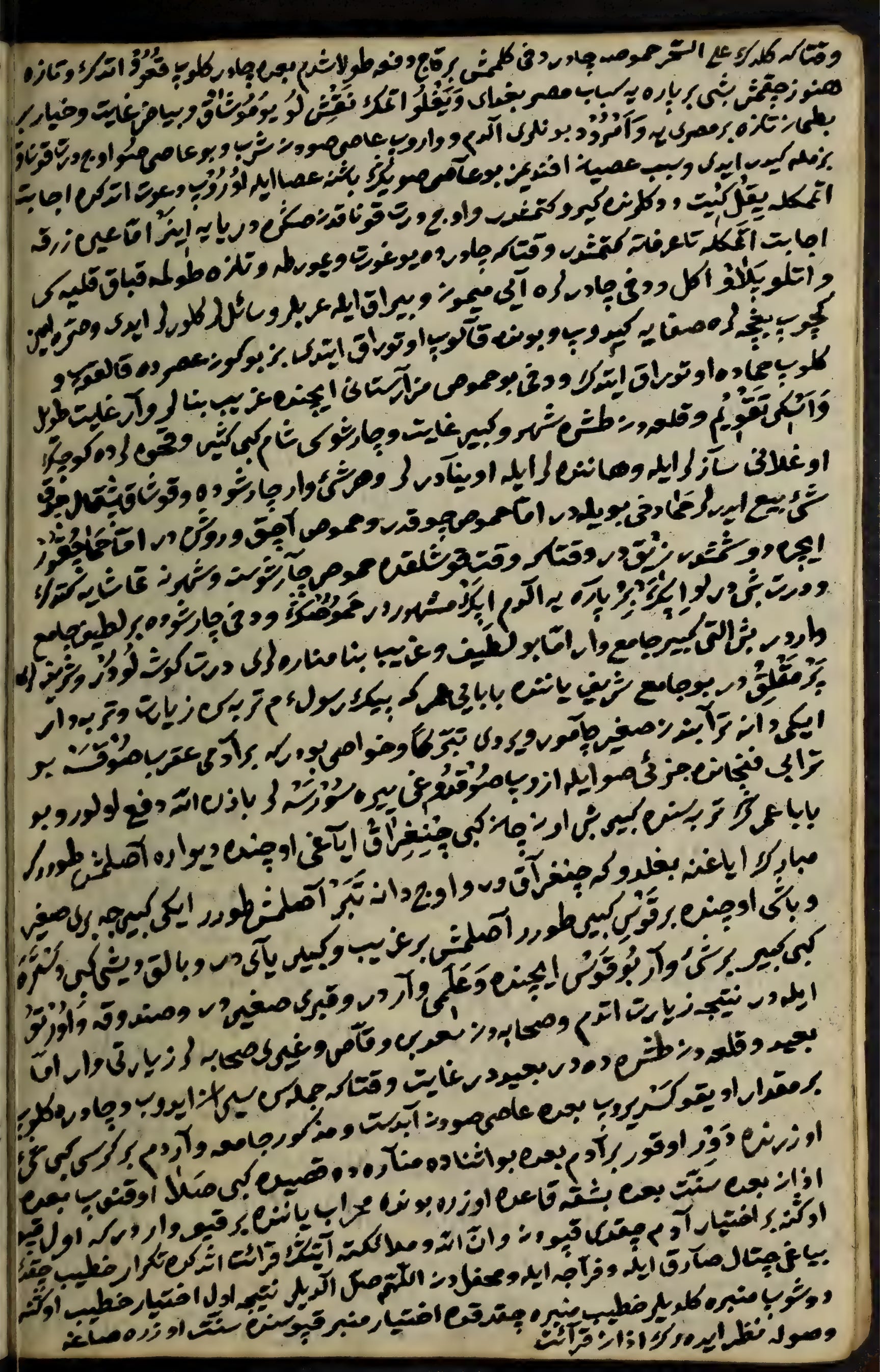
A few weeks back, a link to a Substack piece popped up while I was on the phone scrolling the net. I glanced it, opened it in a new tab, and left it unread till today, when I finally paid my attention in full.
I've always had a love for travel literature, probably because of my childhood and adolescent years reading the fantastic novels, storybooks, and Doraemon comics where all the characters go off to another world. Fictional places and fantastic locales. Places I've never been too and people I've never met.
(There's a reason why I hold The Starless Sea in high regard, and it's not because of the bees lol)
So real-life people like Ibn Battuta and Evliya Celebi, who travelled across Asia, Europe, and Africa in their lifetimes, have always caught my interest. If the past was another country, then they are the travellers writing of a lost world. And so did the people who followed in their footsteps it seems, for I have stumbled upon a blog that documents an Imam's visit to a tomb and shrine.
We do not know the name of this man - the front half of the manuscript is missing. But what we do know is that he went on the Hajj pilgrimage in the eighteenth century and kept a diary of his voyage. In this excerpt, he visits a tomb of a saint - possibly a Companion of Muhammad, possibly a different yet noble figure - and his accounts show a glimpse of a world and a faith that looks far different to what we think of Islam and the Arab world - hanging bells, wall writings, and swords with jagged edges resembling the fishes from the deep.

This man lived centuries ago, in a time where the modern world would have looked unrecognizable. His descriptions of the tomb and the practices of worship looked as if we're reading the Islamic faith through a mirror, reflecting and refracting the expected. Turning it into the strange. And yet, I am intrigued; what was his life? How did he lived? How does he square the surroundings and rituals to his foreign sensibilities?
We do know some parts, but not others. We may never know the entirety of this man. But this unknown Imam is a marker of a history that is far richer, weirder, and wilder than what we know, especially considering the city he visited, Homs, is now in modern-day-scarred Syria.
May we find more of such glimpses and treasure them.


